


Miami is a city of many personalities—electric after dark, sun-soaked by day and surprisingly serene before sunrise. Trope Miami captures those contrasts through the lenses of 15 photographers, each bringing a distinct perspective to the Magic City. Among them is award-winning local photographer Chas Spiros, whose images reveal Miami’s turquoise waters, tropical landscapes and quieter, often-overlooked moments. We caught up with Spiros to talk inspiration, favorite places to shoot and the Miami he hopes readers discover through his lens.
3H: What makes Miami one of the most exciting cities in the world for street photography, and what continues to inspire you to capture the Magic City through your lens?
CS: It’s Miami’s ever-changing personalities that draw me in from a photographic perspective. By 10 a.m., Miami is bustling with tourists and locals on the beaches and city streets. But around 2-3 a.m. the nightlife takes over and the neon lights blaze with excitement.
The early hours of the morning show how special Miami can be, displaying a totally different personality from the one often portrayed to non-residents. If you wake up early enough before sunrise and stroll the beaches in Miami Beach, Surfside or Key Biscayne, you’ll find absolute tranquility and peace that, to me, rivals some of the most iconic beach towns across the globe.
 3H: From South Beach to Little Havana, which Miami neighborhoods do you believe offer the most compelling photography opportunities, and what makes each one unique?
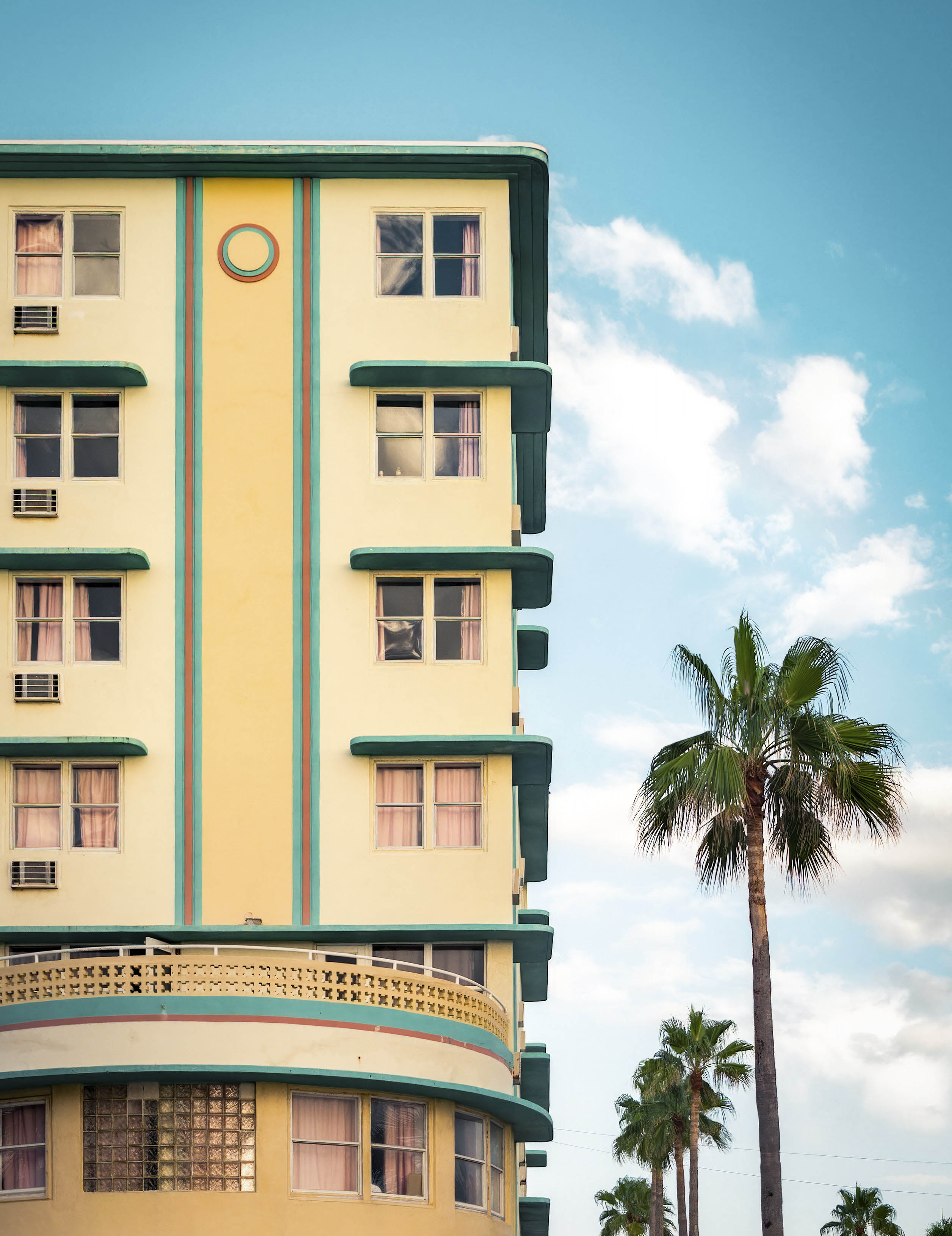 3H: From South Beach to Little Havana, which Miami neighborhoods do you believe offer the most compelling photography opportunities, and what makes each one unique?
CS: I enjoy South Beach, North Beach, Surfside and Coral Gables for the most compelling opportunities.
South Beach is vibrant and colorful, with the typical Art Deco architecture that many people associate with Miami. The beaches are expansive and diverse, offering scenes with interesting characters as anchors in my photos. South Beach is where I take photographs when I want to incorporate people into my photos.
North Beach is a bit more modern and quiet. I venture to North Beach when I want to take the tone down a bit. This is the area where I begin to dig into my contemplative and tranquil photographic style. Surfside takes it up a notch with tranquility and peace. This is a more luxurious part of Miami, with narrower beaches, great waves and sand dunes with vegetation that blows serenely in the wind. Here I can take pictures that don’t look like Miami at all, while the area still offers pops of color from the resorts lining the sands.
Coral Gables is special because it’s my home. Coral Gables offers me water access for photography and lush, dense forested areas where I can immerse myself in truly mythical-looking trees. There are so many wonderful neighborhoods in Miami—you could build a lifetime of work exploring each unique area. I intend to do just that.
3H: Trope Miami celebrates the city’s vibrant energy and culture. What story about Miami did you hope readers would discover through these photographs that they might not experience as visitors?
CS: If I could sum it up in one word, it would be immersion. My hope with Trope Miami is that readers get a sense of immersion into Miami that they would not otherwise experience as visitors jumping from one tourist spot to another. This book gives readers a sense of what Miami looks like from the perspective of those who have immersed themselves in the heart of this amazing city, showing sides of the city that others may overlook. The colors, the perspectives and the mood in the photographs and art in this book provide that level of significance.
3H: For someone visiting Miami for the first time with a camera in hand, what are your top locations, times of day, or hidden gems to capture the city’s most authentic beauty?

CS: This might be my favorite question so far, because it took me a while to find the right elements for my ideal photographic Miami cocktail. I would tell someone to rent a bike about 20 minutes before sunrise, start at South Pointe Park and slowly ride your way through North Beach.
During this time, the city is quiet and you can hear the waves crashing as you bike lining Miami’s beaches. You’re likely to observe a soft sunrise where you can photograph the unique ocean rescue towers scattered along the beachfront.
3H: Miami is known for its Art Deco architecture, colorful streets, diverse cultures, and waterfront views. Which of these elements has had the greatest influence on your photography, and how do they shape your creative process?
CS: For my style of photography, which generally surrounds landscape and environmental photography, the waterfront views have truly shaped my creative process.
I’d like to think that my photography is emblematic of my state of mind at any given time, and Miami’s waterfront views provide a fantastic outlet to express that in creative ways. The cherry on top is being able to share this work with others in a book like Trope Miami.
3H: Looking back at the images featured in Trope Miami, is there one photograph that best captures the spirit of the Magic City? What makes that moment so memorable, and what story does it tell?
 3H: Looking back at the images featured in Trope Miami, is there one photograph that best captures the spirit of the Magic City? What makes that moment so memorable, and what story does it tell?
CS: One of the photographs that, in my eyes, captures the Magic City is a photo with a couple walking on the beach with a picnic basket in hand and one of the iconic ocean rescue huts directly next to them. This is the type of photograph that I feel captures another side of the Magic City that I don’t think is portrayed enough—a city of relaxation, calm and expansive, welcoming beaches.
This photo stands in stark contrast to what I think non-residents believe Miami to be, which is a spring break destination. What makes this moment memorable for me is that it sits at the intersection of doing something I love—walking the beaches of Miami with my camera, capturing a couple enjoying this city in the way I think it should be enjoyed. Being able to capture that was really special, especially in such a candid moment.
Through Trope Miami, Chas and the other talented photographers offer a love letter to a city that never looks quite the same twice. Beyond the neon and nightlife is a softer Magic City—where palms sway, the Atlantic glows and sunrise paints the shoreline. These photographs are an invitation to slow down, look closer and experience Miami beyond the expected.
Click here to purchase Trope Miami.
